
You stare at a syllabus loaded with reading assignments, look at a group chat full of weekend plans, and immediately feel your chest tighten. Managing a heavy college workload while keeping your sanity is tough, especially when generic advice ignores the reality of walking up Libe Slope in the dark, back-to-back evening prelims, and constant FOMO. Finding a workable rhythm comes down to making realistic trade-offs.
Key Takeaways
- Accept the trade-offs: Perfect balance is a myth; prioritization keeps you afloat.
- Pick the right study space: Your environment dictates how fast you finish your work.
- Schedule your downtime: Mental health requires deliberate off-hours.
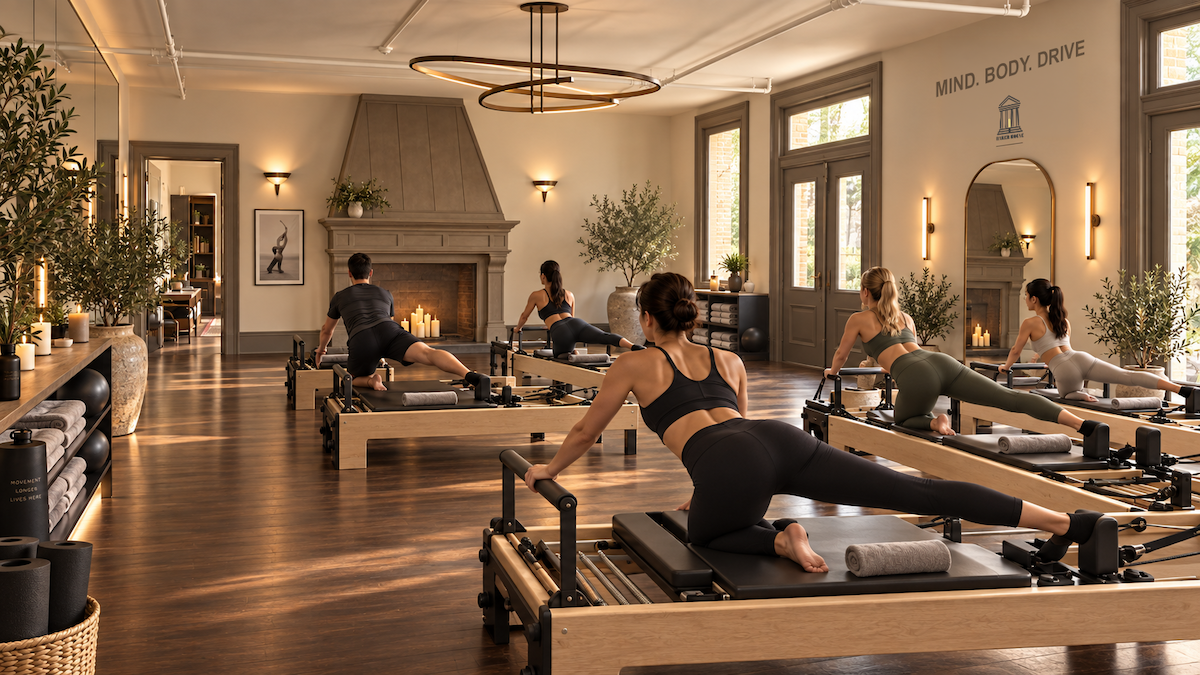
- Use your living setup: Baker House combines quiet study spaces with built-in networking near campus.
The Reality of Cornell Academic Responsibilities
You finish a late lab on central campus, hike up the Ithaca hills in the dark, and realize you missed a networking event. That loop is standard for new students trying to do everything at once. You are adjusting to a heavy workload, and pacing yourself early prevents mid-semester burnout.
Cornell’s core classes push many students toward 2 AM doomscrolling, skipped sleep, and overloaded credit schedules just to keep up appearances. Protecting your GPA and your personal life requires evaluating your actual bandwidth before drop deadlines pass.
The first semester often exposes the “Freshman Myth,” where high school study habits clash with college-level expectations. Adjusting early and tapping into support for new Cornell students at the Tatkon Center will keep your semester on track. Making smart choices about your course load is the first step in surviving the college years.
Why You Must Set Clear Expectations
Your daily habits need to match your actual limits, not an idealized version of yourself that never needs a break. Defining what matters most keeps your schedule manageable.
- Set realistic weekly goals so you do not fall behind by week four.
- Track due dates and exam schedules without sacrificing basic sleep.
- Align your daily coursework with your long-term goals to filter out busywork.
Time Management Hacks That Actually Work
Plugging deadlines into a planner rarely fixes procrastination or exhaustion. Managing your time at Cornell requires matching your hardest tasks to your peak energy windows.
- Track your energy peaks: Tackle problem sets when your brain is sharpest instead of waiting until midnight.
- Time-block your week: Use Google Calendar to lock in exact windows for classes, study blocks, meals, and rest.
- Use the Pomodoro Technique: Break long reading assignments into 25-minute sprints with 5-minute breaks to prevent mental fatigue.
- Use campus academic coaching: Book a session with the official Cornell academic support at the Learning Strategies Center for proven study frameworks.
The Power of Office Hours
Struggling through a problem set alone drains hours from your week. Asking a professor or TA directly clarifies in ten minutes what takes three hours to decode on your own.
Going early in the semester, before prelim week crowds hit, gives you direct answers and builds faculty connections fast.
Pro-Tip: Treat office hours like a mandatory class. Going early in the semester, before prelim week crowds hit, gives you direct answers and builds faculty connections fast.
Navigating a Socially Active Life in College
Connecting with peers makes the semester worthwhile, but your social calendar needs boundaries. A solid social life supports your mental health, provided it does not cannibalize your study blocks.
Separate high-value connections from obligation events that just drain your battery. Once you filter out low-priority plans, your weekly stress drops.
Extracurriculars round out your resume, so be selective. Joining curated member programming at Baker House gives you built-in networking without adding a twenty-hour weekly club commitment. Focusing on one or two meaningful organizations yields stronger friendships and career leads than casually joining ten.
Evaluating Your Focus and Networking Environments
Relying on a noisy dorm lounge on North Campus or a cramped bedroom desk rarely works during prelim week. Choosing the right location for each task keeps you from wasting study hours.
| Location/Environment | Noise Level | Proximity to Campus | The Vibe/Atmosphere | Best For… |
|---|---|---|---|---|
| Baker House Exec Library | Silent | Adjacent (West Campus) | Historic, focused, professional | Deep focus, prelim prep, quiet reading |
| Uris Library (Cornell) | Very Quiet | Central Campus | Academic, traditional, intense | Solo studying between daily classes |
| Collegetown Cafes | Loud/Energetic | Off-Campus (South) | Vibrant, social, chaotic | Casual reading, group meetings |
| Baker House Great Hall | Moderate | Adjacent (West Campus) | Collaborative, intellectually stimulating | Professional networking, creative breaks |
| On-Campus Dorm Lounges | Unpredictable | North/West Campus | Social, convenient, distraction-heavy | Late-night snack breaks, casual group review |
Your environment directly dictates your ability to strike a balance between rigorous academics and a fulfilling social life.
Prioritizing Self-Care to Maintain Your Health
Pushing your body to the limit to finish schoolwork is an unsustainable strategy. Real self-care means aggressively protecting the basic habits that keep your brain functioning properly.
- Guard your sleep: Seven to eight hours of rest directly improves memory recall and exam performance.
- Take daily screen breaks: Stepping away from your laptop for an hour each evening resets your focus.
- Use campus wellness services: Tap into Cornell’s mental wellness resources through Cornell Health for counseling, workshops, and drop-in support.
Frequently Asked Questions (FAQs)
Prioritize time management by using a calendar to schedule both study sessions and social events. Treat downtime with the same respect as a class lecture.
Break study material into manageable chunks using the Pomodoro technique, ensure you get enough sleep, and utilize campus resources like the Learning Strategies Center.
The living-learning ecosystem provides quiet executive libraries for deep work alongside curated member programming and social lounges, reducing the need to commute for networking or study spaces.
Critical. Adequate sleep improves memory retention, focus, and emotional regulation, making your study hours significantly more productive.
A healthy social life involves meaningful connections that energize you rather than drain you, leaving ample time to meet academic responsibilities and personal wellness goals.
Achieve the Right Balance at Baker House
Living in a focused, well-connected space removes daily friction between classes, studying, and socializing. Located on University Avenue near the Arts Quad, Baker House is built for students and researchers who want quiet study rooms alongside an active peer community.
The location cuts down on steep uphill commutes and avoids the noise of standard Collegetown rentals. Residents get access to a private campus shuttle that saves hours each week, plus a Nordic-style spa for recovery after long study blocks. It offers a streamlined off-campus setup for Cornellians focused on both academic output and community. Visit our site to learn more!